
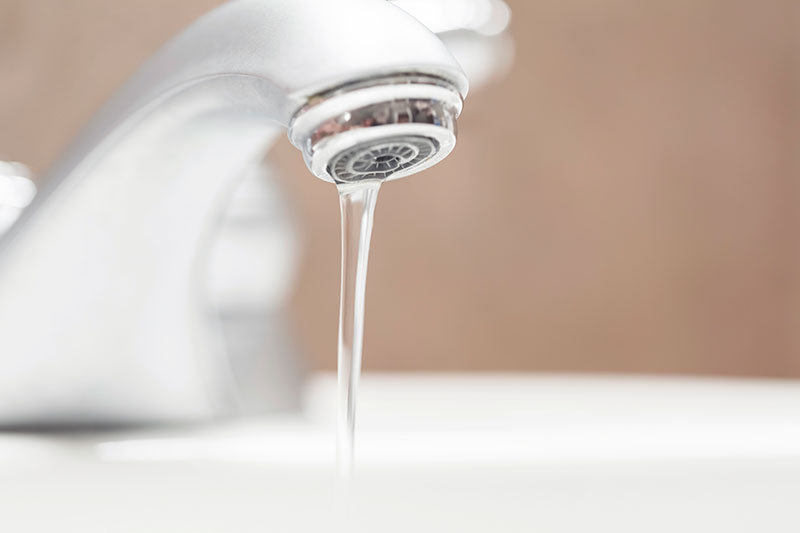
A strong, steady flow from every tap is one of those things you rarely think about — until it disappears. If your shower is struggling to rinse the shampoo out of your hair, or your kitchen tap has slowed to a trickle, there’s a reason, and most of the time it’s one we see repeatedly in Sydney homes.
1. A blocked tap aerator
The small mesh screen on the end of your tap spout — the aerator — catches sediment, mineral deposits and the occasional bit of pipe scale. Over time it can clog up and restrict flow dramatically. Unscrewing it, giving it a soak in vinegar and rinsing it out is a five-minute job that will often restore pressure at a single outlet.
2. A partially closed shut-off valve
Homes have isolation valves under sinks, behind toilets and at the water meter. If a plumber or tradie has worked on your place recently, it’s worth checking that the relevant valves are fully open. A half-turned valve will silently choke the flow to the whole house.
3. An old or failing pressure-limiting valve
Most Sydney homes have a pressure-limiting valve (PLV) on the incoming main. It’s there to protect your pipes and fittings from supply pressure that can climb well above 500 kPa. PLVs have a working life of around 7–10 years, and when they fail they often do so by dropping pressure rather than raising it. If every tap in the house has gone weak together, this is one of the most common culprits.
Quick tip: if low pressure appeared suddenly across the whole house, it’s almost always a valve, a burst or a supply issue — not a buildup in the pipes.
4. Corrosion or scale in old galvanised pipe
If your home still has galvanised steel water pipes, decades of internal corrosion can narrow the effective bore of the pipe to a fraction of its original size. Replacing sections with copper or PEX is usually the long-term fix. This tends to be the reason when pressure has gradually worsened over years rather than overnight.
5. A hidden leak
Water escaping from a cracked pipe under the floor, in the ceiling or underground will show up as low pressure inside the house — along with rising water bills, damp patches or the sound of running water when nothing is turned on. If you suspect a leak, it’s worth reading our guide on spotting a hidden water leak.
6. A problem on the street
Sometimes the cause has nothing to do with your plumbing. Sydney Water maintenance, a burst main nearby or works being carried out on the network can all affect your supply pressure temporarily. Check with a neighbour — if they’re affected too, the issue is outside your property boundary.
When to call a plumber
If you’ve cleaned the aerators, confirmed the valves are open and the problem is still there, give us a call. Chasing down a pressure issue is faster and cheaper when you catch it early, especially if it turns out to be a hidden leak or a failing PLV. Our Sydney team can diagnose the cause in a single visit and quote any repairs on the spot.
Need a hand? Southern Star Plumbing services every suburb of Sydney. Call 0432 304 609 or request a free quote.